The challenge
The overstock problem nobody advertises
Companies sitting on surplus and overstock — across consumer goods, industrial goods, textiles and plastics — can’t simply dump it. Open-market resale risks brand damage, price erosion and product flowing back into their home market. On the other side, buyers who need recycled feedstock — recycled copper wire, GRS certified rPET, recycled engineering plastics — struggle to find sources that arrive with real traceability and documentation instead of verbal claims. And from 19 July 2026, EU ESPR (Regulation (EU) 2024/1781) bans large companies from destroying unsold textiles and footwear — turning a documented, compliant route out of surplus from an option into an obligation.
Our role
Second-Life Sourcing, in practice
Terra Vista holds no inventory — we design the pipeline. We connect surplus manufacturing capacity and overstock across categories with vetted overseas B2B buyers, and move verified recycled materials to the markets that need them. Every surplus product has already consumed water, energy and raw materials, so re-routing it to a buyer keeps that already-made product in use instead of destroyed. Our lines: surplus and overstock two-way matching, recycled metals, recycled and surplus plastics (rPET and engineering plastics), and engineered bamboo — each shipment traveling with a compliance-document package, not a marketing story. We manage the pipeline, not the inventory.
How it works
What we move — and how
Surplus & overstock two-way matching — across every category
We connect brands and factories carrying surplus or overstock — consumer goods, industrial goods, textiles, plastics — with vetted overseas B2B buyers. De-labeling protocols, geographic isolation, anti-backflow clauses and a full compliance-document set keep your name off the resale and your product out of your home market. This is active pipeline matching for overstock inventory export and surplus stock B2B buyers, not open-market dumping.
Recycled metals — material that comes with its compliance paperwork
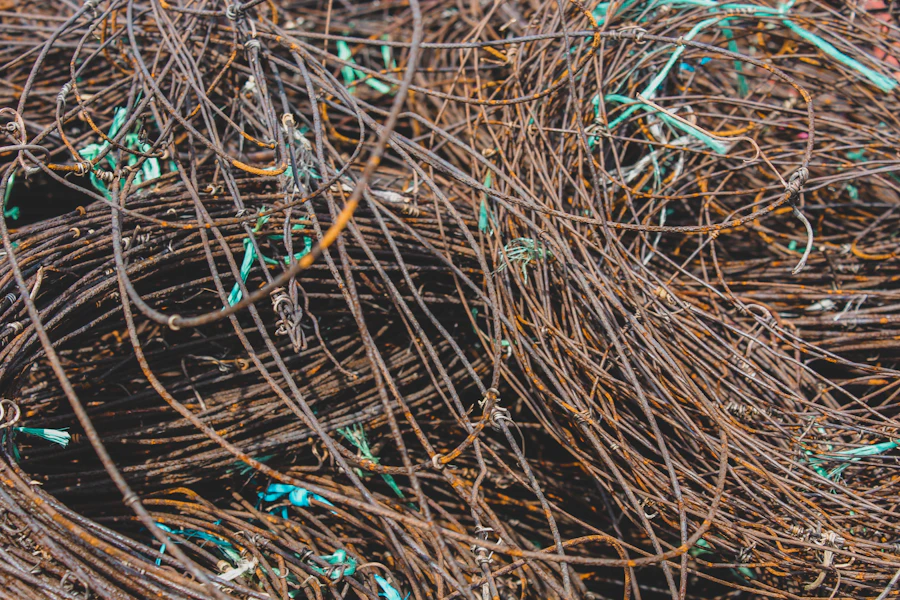
We distribute recycled copper wire and related metals that arrive with recycled-content evidence and test reports — the documentation your procurement and reporting teams increasingly require in supplier scorecards. As a recycled copper wire supplier we sell the material and its paper trail; we make no promise about your emissions outcome.
Recycled & surplus plastics — rPET and engineering plastics
Recycled PET and recycled engineering plastics, differentiated on one thing: where the material actually came from. ‘Recycled’ has become generic; the real difference is a documented, traceable source backed by a GRS or RCS certificate chain coordinated per SKU. If you need GRS certified rPET supplier documentation, or recycled engineering plastics with a traceable origin, this is the line.
Engineered bamboo — sold on specifications, not sentiment
Bamboo boards and panels sourced directly from Anji, described the way engineers buy: hardness rating, formaldehyde emission grade, service life and warranty terms. FSC chain-of-custody traceability is coordinated where required.
Documents, not slogans — the compliance package
Each transaction can travel with a documentation package your team can file directly: recycled-content evidence, test reports, and third-party certificates (GRS / RCS / FSC) coordinated from the source. Timing matters too — EU ESPR (Regulation (EU) 2024/1781) bans large companies from destroying unsold textiles and footwear from 19 July 2026, and the EU EmpCo directive (Directive (EU) 2024/825) applies a ban on unsubstantiated environmental claims from 27 September 2026. For large companies, unsold goods ESPR compliance is now a matter of timing — and our wording, and yours, should stay on the right side of both.
FAQ
Questions buyers ask
Won’t clearing surplus hurt my brand?
That’s exactly what the model is built to prevent. We work as a discreet, contracted channel: de-labeling protocols, buyer-side vetting, geographic isolation and anti-backflow clauses keep your name off the resale and your product out of your home market. Discretion here is a contracted service, not a favor.
Do you provide certification?
We don’t self-certify, and we never issue our own label. We coordinate recognized third-party certificates — GRS, RCS, FSC — from the source, and pass through the underlying test reports and recycled-content evidence. Where an upstream certificate isn’t yet in hand, we say so plainly rather than imply one exists.
Isn’t this just dumping surplus on the open market?
No. Dumping product onto the open market erodes its value. Second-Life Sourcing is a controlled, documented cross-border channel: vetted buyers, destination control and a paper trail on every shipment. Surplus becomes supply — placed with intent, not dumped.
What’s the first step?
A free 30-minute consultation. Tell us whether you’re holding surplus that needs a compliant route out, or sourcing recycled material — metals, plastics or engineered bamboo — that has to arrive with documentation, and we’ll map the pipeline from there.
Give your surplus a second life
Whether you’re offloading overstock without brand risk or sourcing recycled material that arrives with a paper trail, we’ll design the pipeline — documents, not slogans.
Book a free 30-minute consultation