Overview
What our trade show work covers
Terra Vista Co., Ltd. is a cross-border advisory group headquartered in Japan, working in English, Japanese and Chinese. We help companies exhibit at international trade shows, from choosing which ones to take to following up with buyers afterwards.
We begin with a year plan. For each show, we then work through the 90 days before it, design and build the stand, set up meetings with buyers and plan the follow-up. We also plan the marketing around your shows, and the import and compliance work if orders follow.
The break in cross-border business is not logistics — it is culture. Goods ship, money transfers, regulations can be checked. What cannot be shipped is business context, decision logic, and how trust is built.
In Japan, for example, that shows up on the show floor. A polite, detailed conversation at your stand is typically the start of information gathering. The person asking the questions is often the one who will later explain your offer to the people who decide. The decision itself usually takes shape over the weeks after the show, which is why we plan the follow-up as carefully as the stand.
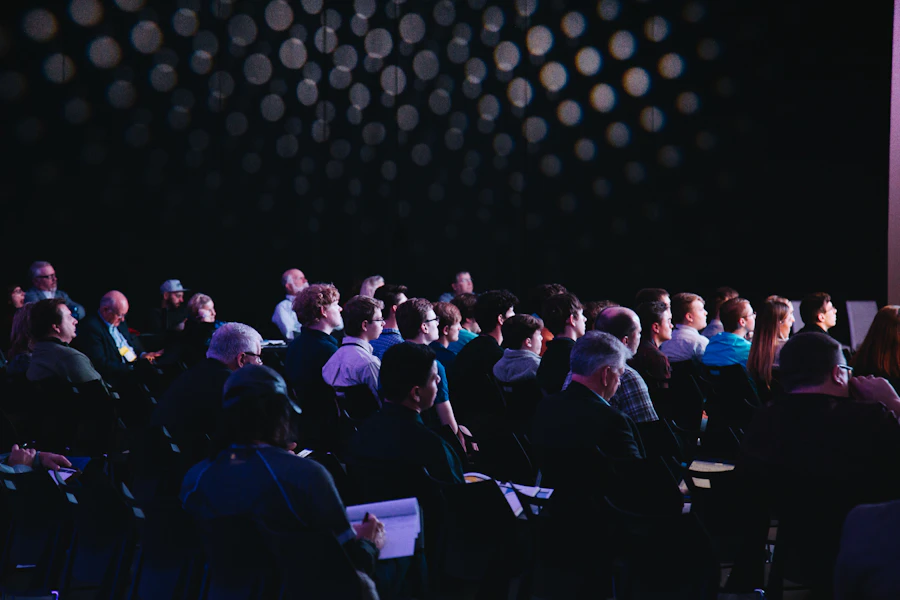
Our role
Culture as the bridge, understanding as the path
How your buyers decide shapes the plan: why you exhibit, which shows you take and in what order, and what each one is for. Stand design and build are part of the same work.
We map out the year with you, and the people who plan your shows also work on site.
How we work
How we plan a year of trade shows
One show can make only one point. Over a year, each show can make a different one, and later shows can reach people the earlier ones found.
In practice the year is built around four questions, answered in order:
- Why this market, this year: what you are trying to prove, and to whom. This is what makes it possible to say no to shows that look attractive but prove nothing.
- Which shows, in what order: entry shows that tell you who the buyers are, then shows where those buyers expect to see you again. Order matters more than count.
- What each show is for: one aim agreed in advance: qualified buyers to shortlist, a technical question to answer better, or a second meeting with a distributor.
- What happens after the hall empties: who writes to whom, in what language, when, and what they say. In Japan, the buying decision usually takes shape in these weeks.
| Milestone | What happens |
|---|---|
| T−90 days | Deciding why this market, this year, and which shows to take, in what order |
| T−30 days | Meetings set up before the show, with time for the internal approvals your buyer needs |
| Show days | Running the stand and meetings towards the aim agreed for that show |
| 8 weeks after | Follow-up: who writes to whom, in what language and when, planned before the show opens |
Track record
B2B workshops in Lahore and Sydney
A well-known Chinese new-energy company asked us to plan and run two B2B workshops for its overseas customers — from the plan, through preparation, to running the rooms on the day.
The sessions ran in Lahore and in Sydney, two markets with different languages, buying customs and expectations of a supplier after the event. Both followed one story line, adapted for each market.
Our International Business Exchange, Workshops and Events page sets out the full scope: run-of-show scripting, supplier and risk management, venue, host, materials and the post-event record.
Beyond the show
Import and compliance, planned alongside your shows
If talks that start at your stand lead to an order, we can also plan the import and compliance side. That covers product compliance and, in Japan, choosing an importer of record.
Sources
Decision guides: Exhibiting at a Japanese trade show (2026): the 90-day timeline, cost components, and the 8 weeks after
Reference sources
FAQ
Frequently asked questions
Do you build the stand, or only advise?
Both. Stand design and build are part of what we deliver, and for some clients that is the whole brief. Much of our planning goes into the work around it: which shows you take, what each one is for, and what happens afterwards.
Do you work outside Japan?
Yes. We are headquartered in Japan, and our exhibition and workshop work is not limited to it. Recent sessions have run in Pakistan and Australia.
We exhibited last year and came away with business cards only. Where would you start?
Usually with two questions. Was the show the right one for your buyers? Did the follow-up reach the people who decide, in their language and in a form their internal process could use? We look at show selection before you book, and plan the follow-up before the doors open.
How far ahead do you need to start?
Earlier than most people expect. Pre-show meeting slots, and the internal approvals your buyer needs to attend one, are usually settled well before the show opens. If your show is less than a month away, tell us the date and we will say what is still possible. We can then plan the next show with the full 90 days.
Related Terra Vista method: T+30 Follow-Up Table. All published decision tables are listed on the Terra Vista Methods page.